History

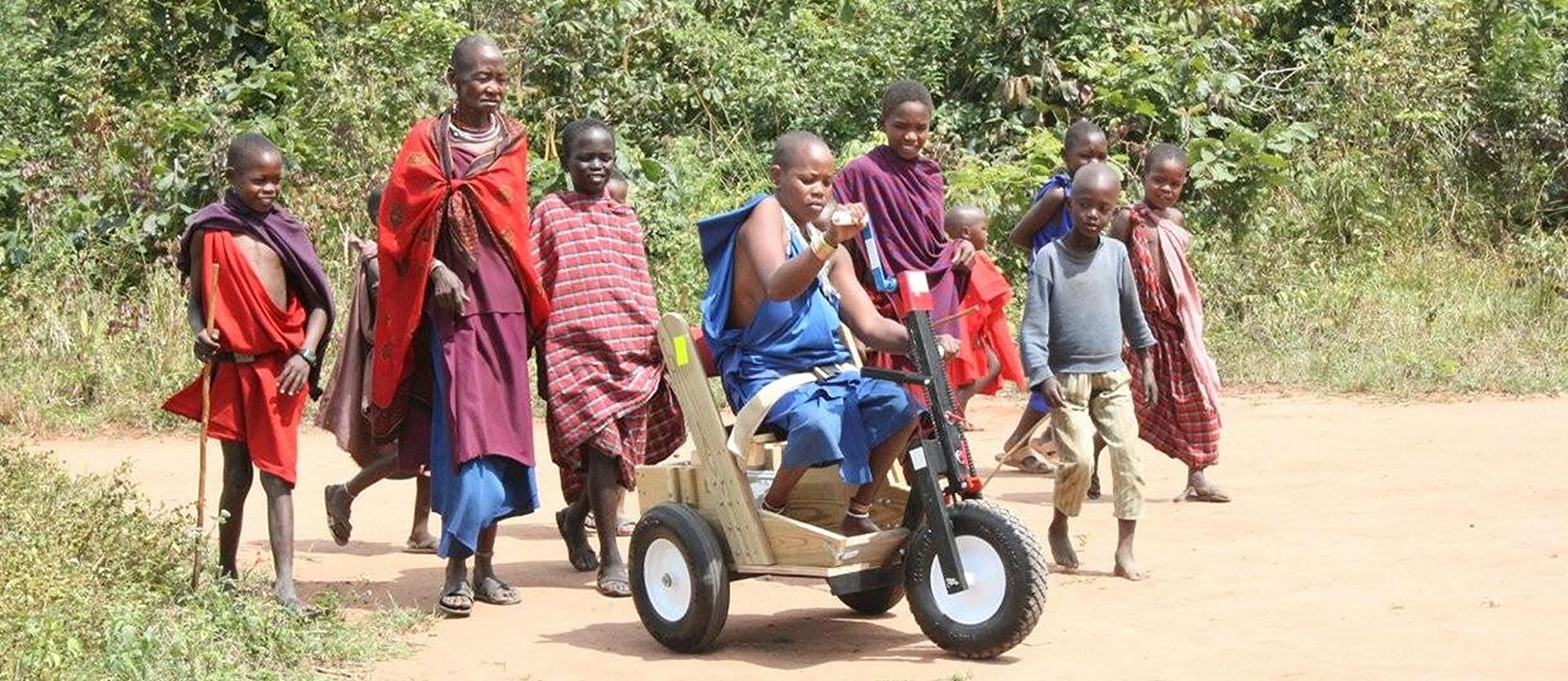
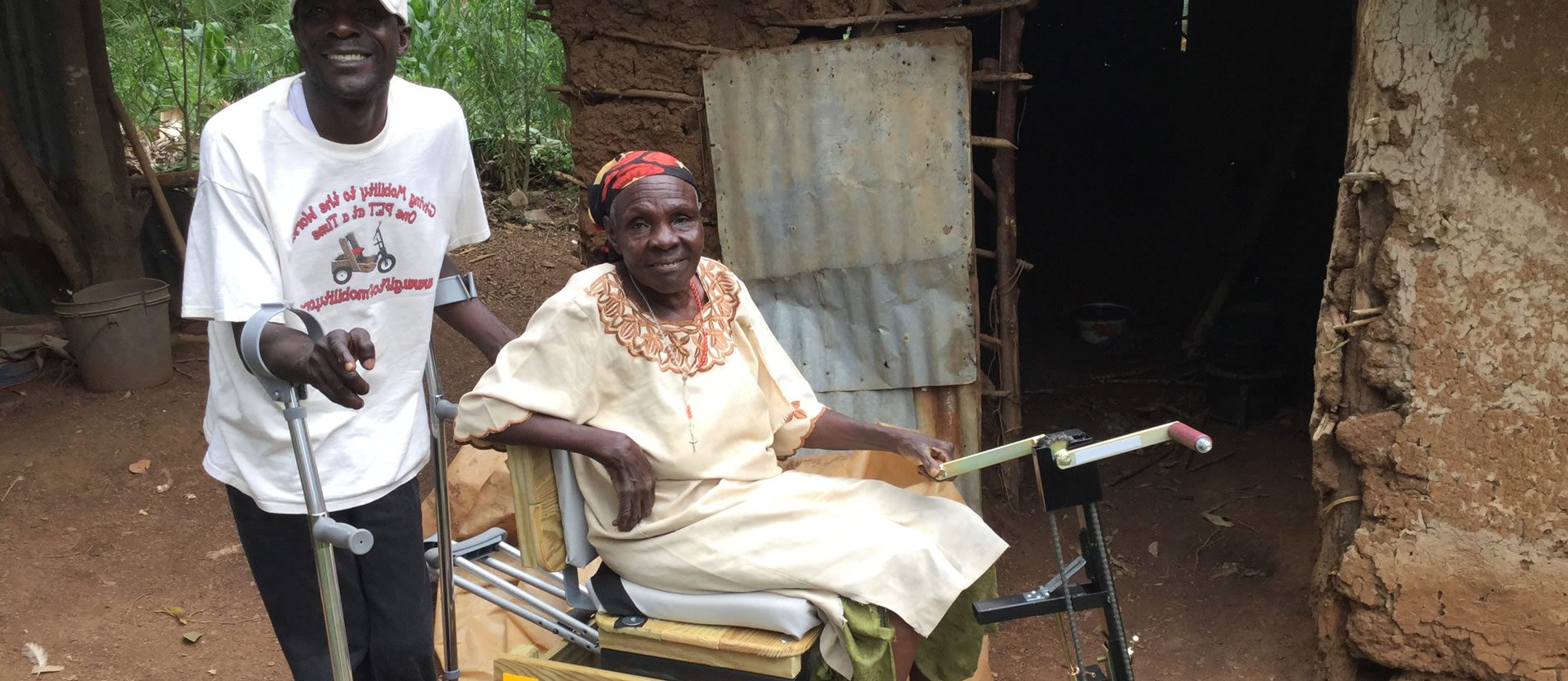
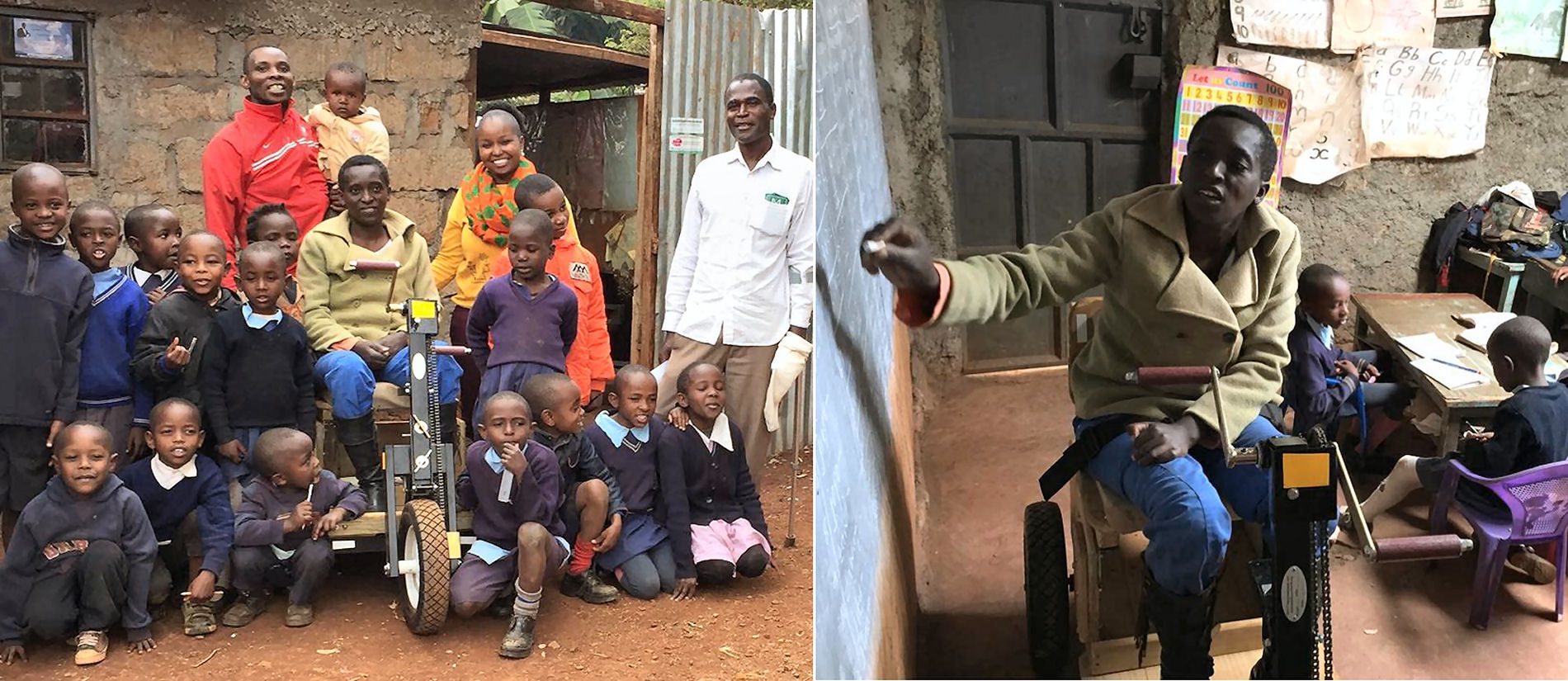
PET is a faith-based, volunteer-powered, humanitarian and world-wide 501c3 organization. PET Project history and assembly sites began in 1995 as a ministry for those in greatest need of mobility.   The PET Project ministry continues growing to serve the overwhelming needs in some of the most desperate places in the world.  The majority of the gifts of mobility have been the three-wheeled, hand-cranked wheelchairs now affectionately called "PETs."

PET Project Philosophy

The PET Project is not wed to just this particular model of machine. Besides raising funds for building PET vehicles, we collect other used mobility devices such as canes, foldable walkers, crutches, and wheelchairs. Even if they need minor repairs/replacement parts, we receive and send them on to one of our distribution partners, Hope Haven International Ministries, in Iowa. They refurbish used mobility devices and distribute along with our PETs in over 60 countries to date. Its goal is the GIFT OF MOBILITY for all of God's people in need. We will cooperate and share with anyone working toward that goal. We want to work with all groups, religious or secular and seek to provide mobility first for those in greatest need and with least resources.

We seek to involve lay persons in the Church as major servants in this mission.  The PET Project is a part of the ministry of Jesus Christ, whose disciples said "In the name of Jesus Christ, arise and walk." Acts 3:6   We are open to serve and work with those whose lord is not Jesus.

Places of Use

PET Project has sent mobility to the following countries to date:

Congo/Zambia:  The frames and wheels for the PET are shipped there via container, and the wooden part (we call this the 'bed') is made and then distributed.  They have 4,400 persons on a waiting list.
Other areas:  Afghanistan, Angola, Argentina, Bangladesh, Benin, Bolivia, Bosnia, Brasil, Bulgaria, Cambodia, Cameroon, China, Columbia, Costa Rica, Cuba, Dominican Republic, Ecuador, El Salvador, Eritrea, Ethiopia, Gabon, Georgia (Russia), Gaza, Ghana, Guatemala, Haiti, Honduras, India, Iraq, Jamaica, Jordan, Kenya, Kosovo, Kyrgyzstan, Liberia, Madagascar, Malawi, Mali, Mexico, Mongolia, Montagnon, Namibia, Nepal, Nicaragua, Nigeria, North Korea, Peru, Philippines, Russia, Rwanda, Senegal, Sierra Leone, Sri Lanka, Tajikstan, Tanzania, Thailand, Trinidad, Uganda, Ukraine, Uzbekistan, Vietnam, West Bank, Western Sahara, Zaire, Zambia, and Zimbabwe have all received one or more PETs.
 

A Gift of Mobility

Child and 
Adult sizes

Supports Rugged Terrain

Side view 
(child size)

PET Design

The PET has been extensively field tested and is designed to be:

STURDY,  in order to provide services for the rider for many years
SIMPLE, to be easily maintained in outpost conditions
LOW-COST, so the donor dollar can serve as many as possible - $250
These requirements have led to the following details of the design:
Hand-cranked or lever powered:  The hand-cranked model has proven most successful in most field conditions.  The lever-powered model works well in hospitals and rehab centers; few are made.
Sturdy tires:  The PET uses sturdy and low cost wheelbarrow wheels and tires with tubes, or non-puncture tires.
Two sizes:  PETs are made in both child and adult sizes.
Adaptability:  The PET can be adapted to a wide variety of bed or seat configurations.
Simple brakes:  The PET has a front-wheel brake, with a simple wood-wedge parking brake on a rear wheel.
Despite this robustness, the PET is not an all-terrain vehicle.  It will not go everywhere.  Its ability to move is limited to the muscle power of the driver.  As the driver uses the vehicle more, he/she gains strength. Other notes are:
The PET moves out at about the speed of a fast walk.
There are always "trade-offs" in designing any machine. The crank pedals of the PET always turn. This gives a needed reverse gear, but when coasting downhill the driver should remove his/her hand from the cranks and steer with the steering tiller/brake handle, slowing the speed by pushing down on the brake handle.
We are continuing design work on a PUSH or PULL PET for a person whose arms cannot power the standard PET. Both models assist the caretaker as well as the rider/recipient. A missionary in Zambia says in his area there are as many in need of this new design as the standard PET.

PET Manufacturing

PET is quickly becoming a global operation. There are hundreds of individuals and/or men's groups across the USA building parts for the PET. These parts are shipped to the PET Place in Columbia, MO, for further work, assembly, or distribution.

Columbia, Missouri - USA:  The PET Place receives parts made by volunteers and donated by businesses.  The PETs are assembled and shipped to where needed.
Congo/Zambia - Africa: They receive the steel to cut and weld, tires, and other parts from Columbia, add the wooden beds (seat and cargo space), and distribute.
For an up to date list of PET Affiliates, go to www.petinternational.org (opens in new window).

Home ] [ What is PET? ] Stories ] We need You! ] Shipments ] Contact Us ]

Send mail to petproject@giftofmobility.org with questions or comments about this
web site.
Last modified: November 23, 2008